Manual Techniques vs. Digital Repair: What is the Future of Photo Restoration?
Anúncios
Understanding Manual Techniques in Photo Restoration
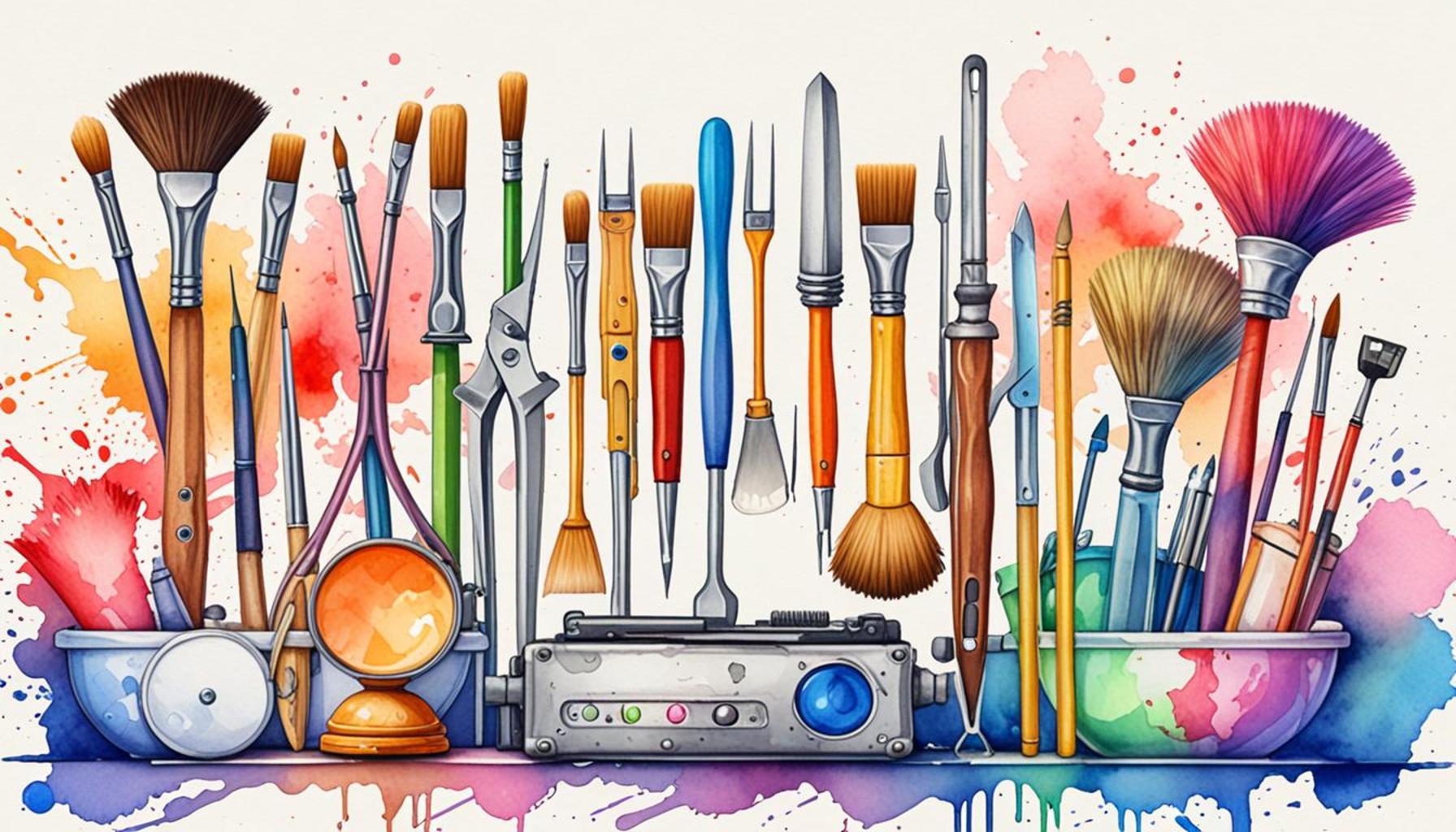
Photo restoration is not merely a craft; it is an art form that speaks volumes about our past. Manual techniques, often revered for their tactile nature and artistic flair, have been used for centuries. Techniques such as retouching, hand-coloring, and airbrush painting are classic methods that require immense skill and an eye for detail. For instance, artists may utilize fine brushes and pigments to reinstate the vibrant hues of a faded photograph, painstakingly working to match the original shades. This approach not only preserves the history encapsulated in the image but also heightens the creator’s connection to the piece. It’s a time-consuming process, but the artistry involved can yield results that resonate with deep emotional authenticity.
Anúncios
The Efficiency of Digital Repair
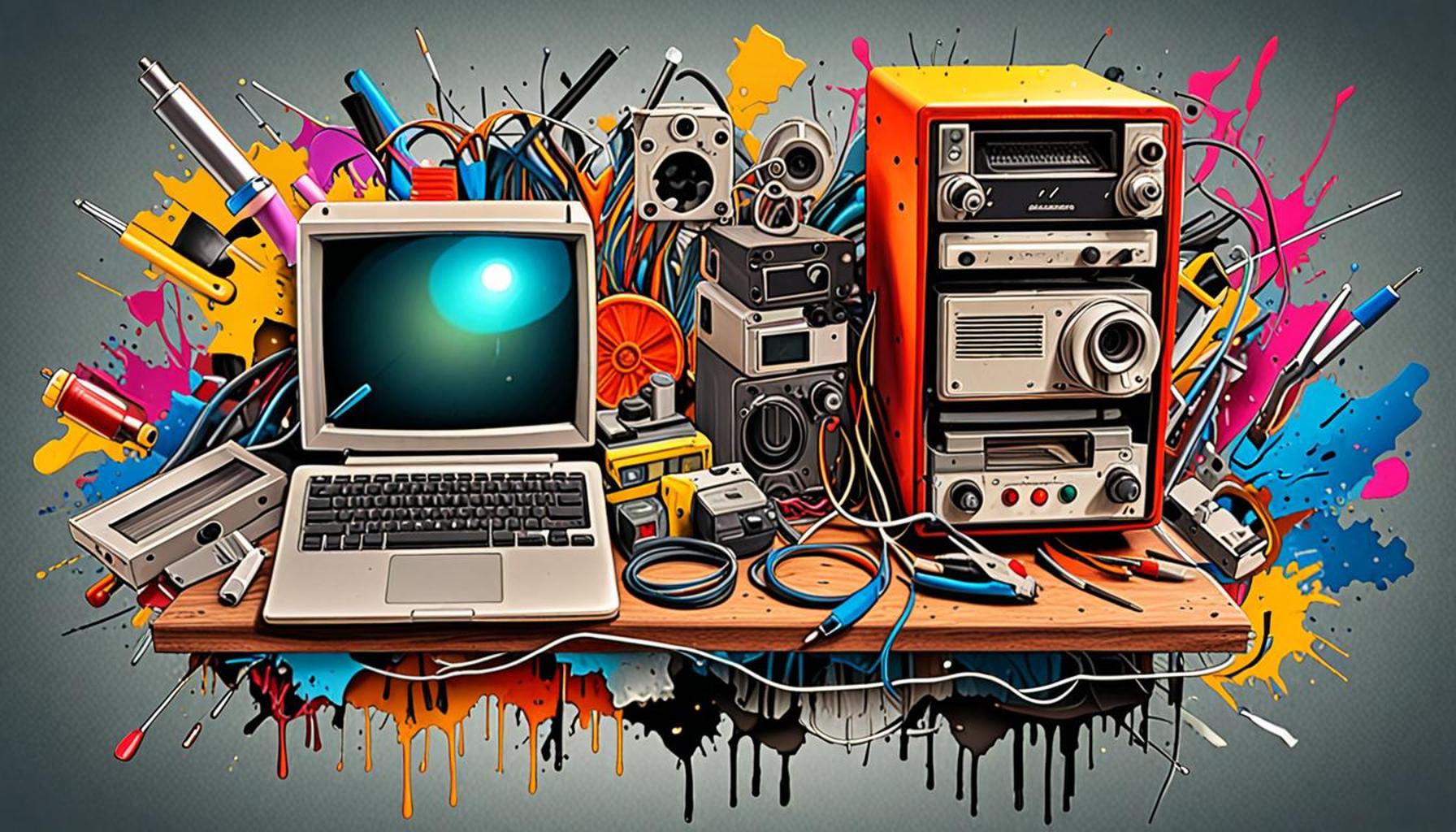
On the other hand, the rise of digital repair techniques has transformed the landscape of photo restoration. With the advancement of software programs like Adobe Photoshop, restorers can execute intricate edits in a fraction of the time it takes to complete manual work. Digital tools allow restorers to efficiently remove blemishes, restore lost details, and even reconstruct portions of images that may have been damaged beyond recognition. For example, an old family portrait can be revitalized with just a few clicks, bringing smiles and memories back to life in no time. However, while digital methods are speedy, they raise questions about the authenticity of the restoration and whether it may overshadow the artistry of manual techniques.
The Hybrid Approach: Bridging Tradition and Innovation
The future of photo restoration might not require a choice between manual and digital techniques. A growing trend involves the integration of both, allowing restorers to appreciate the benefits of each method. For instance, a photo could be digitally enhanced to restore its colors and sharpness while also incorporating manual techniques to add artistic details, such as hand-painted elements or texture effects. Such hybrid approaches pave the way for imaginative restorations that not only preserve the original photo’s integrity but also enhance its overall visual appeal.
Anúncios
The Implications of Technological Advancements
As we navigate the intersection of technology and artistry in photo restoration, we must question the implications of digital tools on traditional methods. Are we losing the emotional connection that comes from hands-on craftsmanship? Or are we simply evolving, adapting to a new landscape where digital capabilities enhance our ability to commemorate and honor our visual history? The answer lies in ongoing discussions within the art and restoration communities, urging a comprehensive understanding of both methods.
Join us as we uncover these complexities and explore how they impact not just individual artworks but also the broader cultural heritage that they represent. Understanding the balance between adaptation and tradition is essential in appreciating the artistry of photo restoration in a rapidly changing technological world.
ADDITIONAL INSIGHTS: Expand your understanding here
Exploring the Craft of Manual Techniques
In the realm of photo restoration, manual techniques encapsulate a rich tradition that has been mastered over generations. Valued for their tactile quality, these methods are deeply rooted in the aesthetic principles of art and craftsmanship. Using materials like fine brushes and liquid pigments, restorers take the painstaking approach of practicing retouching, hand-coloring, and airbrushing to bring old, damaged photographs back to life. For instance, a skilled technician may assess a timeworn wedding photo from the 1950s, confronting challenges such as faded colors, water damage, or cracked surfaces. By laying down new layers of paint that echo the original hues, the restorer doesn’t merely recreate an image; they engage in a soulful dialogue with the past, making each photo a unique piece of art.
What sets these manual techniques apart is the unparalleled level of detail they allow. In many cases, artistic restoration requires not only technical proficiency but also an intuitive understanding of the photo’s history and the emotions it conveys. This often leads to the following benefits:
- Authenticity: Each hand-restored piece retains an inherent character that often speaks to the viewer.
- Emotional connection: The personal touch of manual restoration evokes a sense of nostalgia.
- Creativity: Restorers can utilize artistic discretion to enhance details that might have been overlooked in a purely digital process.
However, the manual process is not without its challenges. The careful, labor-intensive approach can make restoration projects lengthy affairs, sometimes taking weeks or even months to complete. This raises one critical question: as the demand for swift results increases in our fast-paced world, will the painstaking artistry of manual techniques be overshadowed by the speed of digital repair?
Digital Repair: The Future at Our Fingertips
As we transition into the digital era, digital repair has emerged as a game-changer. With sophisticated imaging software at their disposal, restorers are now able to execute detailed edits quickly and efficiently. For instance, programs like Adobe Photoshop offer tools designed to remove blemishes, enhance sharpness, and even reconstruct portions of an image that have been irreparably harmed. In mere moments, an old family photo can be transformed from a faded relic into a vibrant snapshot, instantly rekindling treasured memories for those who behold it.
This newfound efficiency does not come without its drawbacks. The speed and ease of digital techniques can sometimes lead to questions regarding the authenticity of the work produced. Some critics argue that while digital techniques are effective at reviving photographs, they lack the emotional weight often found in works restored through traditional methods. This has ignited a robust debate regarding which approach should dominate the future landscape of photo restoration.
Manual Techniques vs. Digital Repair: Unearthing the Layers
Manual techniques in photo restoration have long been considered a unique art form. Artists who specialize in this method often rely on their hands and an array of traditional tools to bring faded or damaged photographs back to life. While labor-intensive, the tactile nature of manual restoration allows for a high degree of artistic input and emotion. Each brush stroke serves as a testament to the artist’s skill, resulting in a one-of-a-kind outcome that carries the essence of the original photograph. Moreover, manual techniques often focus on preserving the historical integrity of the image, making them invaluable for archival purposes.On the other side of the spectrum, digital repair has revolutionized photo restoration. With advancements in software, digital restorers can achieve remarkable results much faster than their manual counterparts. Digital tools allow for extensive editing capabilities, such as automatic noise reduction, color correction, and easy reconstruction of missing pieces. These techniques often include algorithms and artificial intelligence, providing a level of efficiency and precision that is simply unattainable with manual methods. Additionally, digital restorations can easily be tweaked and modified, offering clients greater flexibility in the final outcome.As technology continues to evolve, the debate between these two approaches captivates photographers, restorers, and art lovers alike. The question arises: Will digital repair ultimately overshadow traditional manual techniques, or is there a way for both to coexist, each offering distinct advantages? A promising avenue lies in the possibility of hybrid techniques, where manual artistry is supplemented by digital enhancements, creating a new standard in the field of photo restoration. To explore the distinct advantages and benefits of both methods, consider the table below, which contrasts the strengths and unique offerings of manual vs digital restoration techniques.
| Category | Advantages |
|---|---|
| Manual Techniques | Preserves historical integrity and offers a unique artistic touch. |
| Digital Repair | Provides efficiency and extensive editing capabilities, ideal for large volumes. |
As we assess the future of photo restoration, recognizing the individual merits of both manual and digital methods will enrich our understanding of this fascinating field. With innovative approaches constantly emerging, we stand on the brink of a new era for photo preservation.
YOU MAY ALSO LIKE: Read read another article
The Intersection of Artistry and Technology
The emerging landscape of photo restoration is witnessing an intriguing convergence between manual techniques and digital repair. While at first glance they may seem to belong to opposing ends of the spectrum, the two can complement one another in ways that enhance the overall quality of restoration. As digital tools continue to advance, many restorers are beginning to adopt a hybrid approach, leveraging the strengths of both systems.
For instance, consider a photograph that showcases a family gathering from decades past. A conservator can use digital software to make an initial assessment, cleaning up major artifacts like dust spots or scratches swiftly. However, once the bulk of the restoration is complete, manual techniques can be employed for nuanced enhancements, such as skillfully retouching facial features that require a more delicate touch. This symbiotic relationship not only speeds up the process but also ensures a final product infused with both digital precision and human artistry.
Moreover, the accessibility of digital tools brings a democratization of the photo restoration field. With readily available software and online tutorials, hobbyists and enthusiasts can attempt their own restorations. This surge in digital literacy has fostered a new generation of restorers who may not have the formal training required for traditional methods but who bring fresh perspectives and creativity to their projects. Workshops and webinars dedicated to teaching both techniques are gaining popularity, allowing individuals to explore how to integrate manual artistry into their digital workflows.
Additionally, the capabilities of artificial intelligence (AI) are revolutionizing the photo restoration process. AI-driven software can analyze images, predict color palettes, and even fill in missing details with astonishing accuracy. Some platforms automatically restore images to their former glory by learning from vast datasets of historical photographs. However, as impressive as these digital innovations are, they raise the question of how much of the authentic character and emotional depth can be replicated without human involvement. While AI may provide solutions quickly, can it truly replicate the nuanced touch of a skilled artist?
Restorers may also engage in a dialogue with their clients about the importance of retaining the original authenticity of damaged photographs. The advent of digital repair has introduced efficiency and cost-effectiveness, but for many, the spirit of a photograph lies in its imperfections. If a beloved family picture has creases or fading, its ability to trigger memories stems from these details. Digital tools can erase these flaws, but what they might also erase is the story behind them.
As we stand at this crucial juncture in the future of photo restoration, it becomes vital to explore the potential coexistence of craft and technology. The vast possibilities offered by digital repair do not have to signal the demise of traditional methods; instead, they could herald an era where photography can be preserved in richer, more diverse manifestations than ever before. Restorers now find themselves in a unique position to redefine boundaries, leveraging the best of both worlds as they step forward into the future.
CHECK OUT: Click here to explore more
Conclusion: Embracing the Future of Photo Restoration
In the dynamic realm of photo restoration, the coexistence of manual techniques and digital repair presents an exciting frontier for preserving our visual history. The integration of these methodologies reflects not only technological advancements but also a deepening appreciation for the artistry inherent in the restoration process. As digital tools continue to evolve, their capacity to enhance and facilitate restoration work is undeniable, yet the irreplaceable touch of a skilled artist remains pivotal in achieving authenticity.
The future of photo restoration appears to favor a blended approach, leveraging the rapid efficiency of digital repair alongside the nuanced, intricate craftsmanship of manual techniques. This hybrid model empowers restorers to make informed decisions regarding when to use technology or rely on traditional artistry, ultimately leading to more enriching restoration outcomes. Furthermore, the democratization of access to digital tools opens doors for creative enthusiasts and amateur restorers to participate in this timeless art form, spawning fresh ideas and innovative techniques.
As we navigate the implications of emerging technologies such as artificial intelligence, conversations around the preservation of a photograph’s original character and emotional resonance take center stage. The ability to retain imperfections that serve as touchstones of memory is an important consideration that underlines the values we place on our visual narratives. In this evolving landscape, photo restorers are tasked with the unique opportunity to balance modern efficiency with human sensibility, paving the way toward a richer future for photo restoration.
In conclusion, the question of how manual techniques and digital repair will shape the future of photo restoration is not merely about choosing one over the other but rather embracing both as complementary forces in the art of preserving memories. As technology progresses, we invite readers and aspiring restorers alike to reflect, experiment, and contribute to this vibrant intersection of artistry and innovation.