How User Customization is Influencing Inclusivity and Representation in Games
Anúncios
The Rise of User Customization in Gaming
The gaming industry has undergone a tremendous transformation in recent years, attributed largely to the growing demand for user customization. Unlike trends that fade away, this movement highlights a significant shift toward greater inclusivity and representation within the gaming community. Today’s gamers are not just passive consumers; they seek experiences that mirror their identities, beliefs, and lifestyles, leading developers to prioritize customization options like never before.
Anúncios
User customization fundamentally reshapes the gaming experience, paving the way for players to:
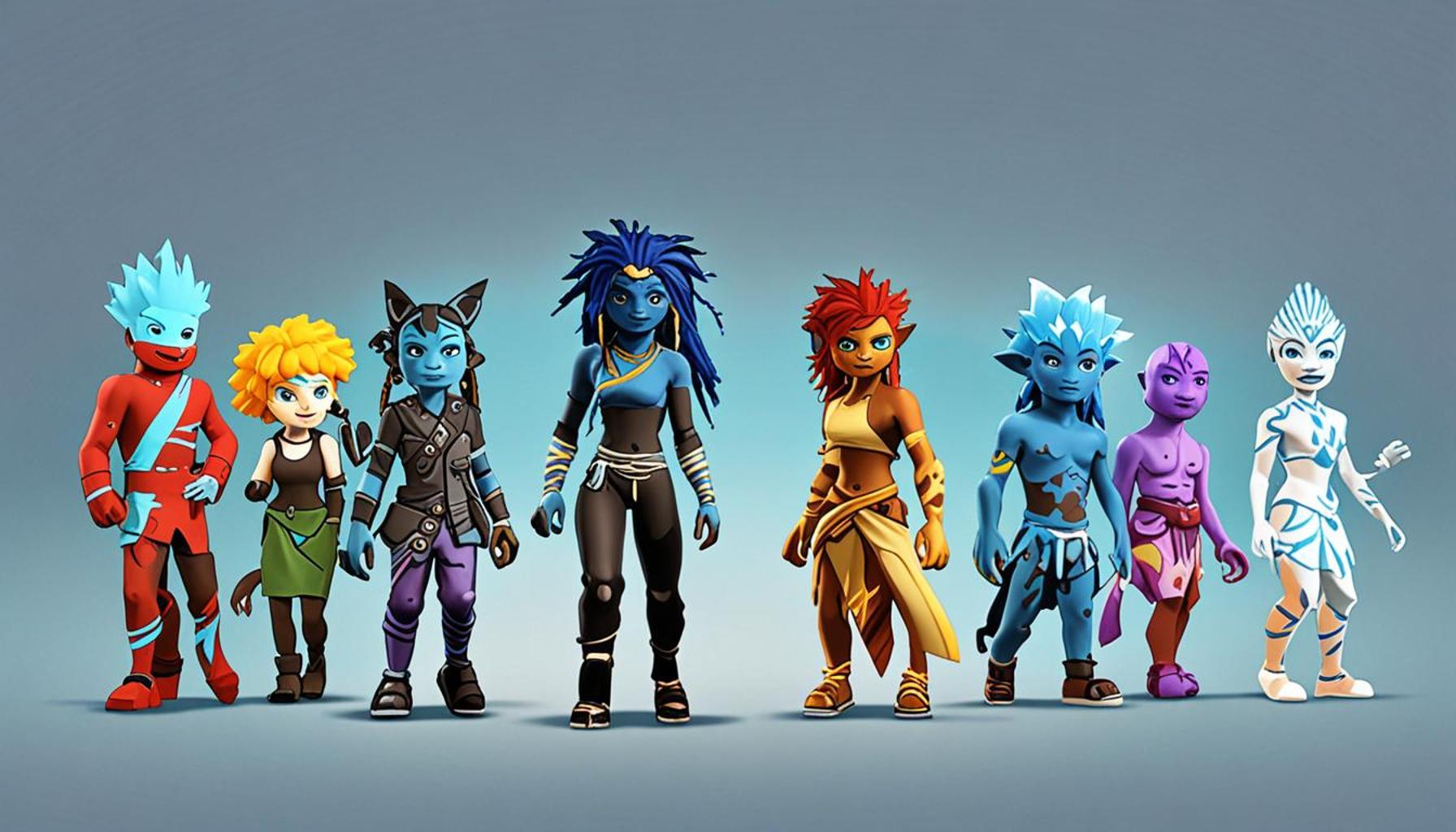
- Create diverse characters that embody their unique backgrounds, including various ethnicities, genders, and body types.
- Choose story paths that reflect their personal experiences, allowing for decisions that resonate with their moral compasses.
- Design game environments infused with familiar cultural elements, making them feel both relatable and welcoming.
Noteworthy titles have harnessed the power of customization, setting precedents for an inclusive gaming landscape. For instance, The Sims franchise allows players to build characters and scenarios that resonate with diverse lifestyles, providing representation that family dynamics and individuality across various culture and social constructs. Similarly, in Street Fighter, players can select from a roster of diverse fighters with different nationalities and fighting styles, each contributing to the narrative of global competition and heritage. Additionally, Fortnite has taken customization to new heights with its skins, emotes, and building options, empowering players to express themselves through their gameplay. This not only fosters creativity but also nurtures a sense of belonging within the community.
Anúncios
The emphasis on user customization significantly alters the dialogue around representation in the gaming world. By centering player choices, developers create a landscape that not only acknowledges diversity but actively celebrates each individual’s unique story. As the gaming community continues to expand and diversify, understanding the impact of user customization is essential for driving discussions about equality and inclusivity within this dynamic industry. Moreover, it offers a blueprint for other entertainment sectors to follow while forging deeper connections with their audiences.
As we look to the future, it is clear that the integration of user customization will continue to shape how stories are told through games and how players engage with the fantastical worlds created for them. The call for personalized experiences reflects a deeper desire for validation and representation, making it vital for developers to listen and adapt. In this evolving landscape, understanding the nuances and implications of user customization is key to advancing towards a truly inclusive gaming environment.
DIVE DEEPER: Click here to learn more
User Customization: A Gateway to Broader Representation
The integration of user customization in gaming is an innovation that transcends mere aesthetics and touches on crucial themes of inclusivity and representation. As players gain the ability to mold their characters and experiences, the essence of gameplay evolves into a canvas where individuality flourishes. This shift has far-reaching implications, prompting discussions around the importance of depicting a diverse array of identities and experiences within game narratives.
At the forefront of this movement is the realization that gaming can be an empowering tool for self-expression. Players now have access to a plethora of customization options that allow them to create avatars that resonate with their personal identities. For example, games like Animal Crossing: New Horizons offer players the chance to design their characters’ appearances based on their own preferences. Whether it be choosing hairstyles, skin tones, or clothing styles, this level of freedom fosters a sense of belonging and encourages players to see themselves reflected in their gaming experiences.
The benefits of user customization extend beyond avatars. Players are increasingly demanding the ability to navigate stories and gameplay elements that resonate with their cultural backgrounds and personal experiences. This is particularly evident in games that encourage players to make decisions that influence outcomes and plot progression. Titles such as Life is Strange and The Walking Dead emphasize player choices, allowing narratives to evolve in ways that reflect individual values and ethical considerations. Such games have raised the bar for storytelling in interactive media, making the player’s identity a central element of the journey.
In response to this growing demand, developers are now honing in on representation as a priority in their design processes. Here are several ways customization has impacted inclusivity within games:
- Diverse Character Creation: Players can create characters that mirror their ethnicities, genders, and body types, fostering an environment where personal narratives are honored.
- Cultural Storytelling: Games are now featuring plots drawn from a variety of cultural backgrounds, allowing for deeper connections as players engage with narratives that reflect real-world experiences.
- Community Engagement: Customization features lead to vibrant online communities that encourage collaboration, creativity, and shared experiences, bridging gaps among various groups of players.
As players feel increasingly empowered to express their identities, the gaming industry is witnessing a renaissance in creativity and innovation. This recognition of diverse voices has proven to be not only a boon for developers, who are now challenged to produce more varied content, but also for the players who thrive on individuality. The transformative power of user customization is paving the way for a gaming culture that is both more inclusive and representative, highlighting the importance of authenticity in interactive entertainment.
In understanding how user customization influences inclusivity and representation, it becomes clear that these changes are not merely trends; they signify a fundamental shift in how games are created and consumed. The ongoing evolution of the gaming landscape calls for both industry leaders and new entrants to acknowledge the need for authenticity in their offerings, ensuring that gaming continues to be a space where every player can feel seen and celebrated.
How User Customization is Influencing Inclusivity and Representation in Games
In today’s gaming industry, the significance of user customization has exploded, profoundly reshaping the landscape of inclusivity and representation. Gamers are not just passive participants; they are empowered to create characters and environments that resonate with their identities and experiences. This movement is not merely about aesthetics but encapsulates a deeper understanding of diverse narratives and the way they are told. For instance, games like “The Sims” and “Dark Souls” offer extensive customization options, allowing players to mold characters to reflect their own cultural backgrounds, body types, gender identities, and personal styles. This evolution in game design is pivotal in reshaping industry standards towards greater diversity. By prioritizing user customization, developers enhance their games’ relatability and foster a sense of belonging among players. Players can engage with content that resonates personally, breaking the barriers previously set by dominant narratives and offering avenues for underrepresented voices.The ramifications extend beyond individual games; they encompass an entire culture within the gaming community. As users embrace these options, they also influence game development trends, pushing companies to acknowledge and address the diverse preferences of their audiences. As a result, titles are increasingly featuring complex storylines and characters rooted in authenticity rather than stereotypes, enriching the gaming experience.To highlight the pivotal role of user customization in this transformative era, consider the following table:
| Advantage | Influence on Games |
|---|---|
| Enhanced Representation | Players can create avatars that reflect their own identities, leading to more relatable experiences. |
| Community Engagement | Customization features foster a sense of community, encouraging dialogue on representation issues in games. |
As the gaming world continues to evolve, it remains crucial for developers to embrace these user-driven changes to cultivate an inclusive environment. The impact of user customization goes beyond just personal expression; it can redefine the gaming narrative, inviting stories that genuinely reflect the breadth of human experience.
DISCOVER MORE: Click here to dive deeper
Empowering Communities Through Customization
User customization is not merely a tool for self-expression; it is also a powerful mechanism for building communities within the gaming ecosystem. As players curate their avatars and share their unique creations online, they are cultivating a vibrant tapestry of identities that not only celebrate individuality but also foster empathy and inclusivity. This collaborative spirit can be attributed to several key factors that underscore the significance of representation in gaming.
Expanded Accessibility: The gaming industry is increasingly recognizing the need for games to be accessible to all players, regardless of physical abilities or socio-economic backgrounds. This shift towards inclusivity is reflected in the rise of customizable options designed to accommodate varying levels of ability. Games such as Forza Horizon 5 have integrated customizable control schemes and visual aids that allow individuals with disabilities to participate fully in the gaming experience. By ensuring that all players can engage with their worlds, developers are embracing the idea that representation in games encompasses much more than just character appearance; it also includes accessibility to the gameplay itself.
The Role of Player Feedback: As the demand for inclusivity grows, developers are turning a keen ear toward player feedback. Gaming companies are now regularly engaging with their communities to understand their needs better. An excellent example of this is Final Fantasy XIV, which actively seeks input from players on character creation features. This not only enhances the customization options available but also ensures that a wider variety of cultural and personal expressions are included in the game. This collaborative development process not only strengthens community ties but also contributes to a richer, more inclusive gaming landscape.
Impact on Game Marketing: The emphasis on user customization has also altered the marketing strategies employed by game developers. Representation in promotional materials is no longer an afterthought but a focal point. Titles that showcase diverse character options and emphasize player-driven storytelling are now more likely to resonate with a wider audience. According to a study by the Entertainment Software Association, 70% of gamers believe that representation matters, and this perception is shaping marketing approaches. Games like Overwatch have benefited significantly from inclusive marketing, winning over players who feel represented in the game’s characters and their backstories.
Social Media and Culture Formation: The technological advancements in social media platforms have provided gamers with a stage to showcase their customized avatars, thus accelerating the culture of inclusivity. Streamers and content creators frequently share their character customization processes on platforms like Twitch and YouTube, inspiring fans and expanding their communities. This exchange of ideas not only fosters creativity but also evokes discussions surrounding representation and identity, allowing gamers to witness variations of their own experiences in virtual spaces.
The growing intersection of user customization and community engagement is helping to redefine gaming narratives, steering them towards wider representation and understanding. Developers who embrace this change not only enhance their games but also contribute to a broader cultural shift, creating spaces where every player—no matter their background—can find representation and connection. The journey towards inclusivity in gaming is ongoing, and the potential for transformation fueled by user customization continues to unfold, inviting all players to participate and contribute their voices to this evolving dialogue.
DISCOVER MORE: Click here to learn about user customization in Roblox communities
Conclusion
The emergence of user customization in gaming is not just a creative outlet; it is a profound catalyst for enhancing inclusivity and representation. As evidenced throughout this discussion, developers have begun to recognize the power of player-driven identity, allowing individuals to forge meaningful connections within both their games and communities. The shift towards expanded accessibility has enabled a broader spectrum of players to engage with gaming worlds, breaking down traditional barriers based on ability or background. Through active player feedback, developers are crafting experiences that resonate across diverse cultures and narratives.
Moreover, the impact of this customization trend extends beyond gameplay mechanics. The gaming industry’s marketing strategies are evolving to highlight representation, actively responding to the increasing demand for authenticity from players. The social media landscape plays a pivotal role in amplifying this dialogue, as communities share their unique expressions, inspiring others to explore their own identities. Such interactions not only enrich the gaming experience but also foster greater empathy among players.
In conclusion, as the trajectory of user customization continues to evolve, it stands to significantly transform the landscape of gaming for the better. The potential for inclusivity, fueled by player involvement and innovative design, invites every participant to take part in shaping a more representative gaming culture. The ongoing journey towards embracing diversity and understanding will ultimately enhance the way we connect, play, and celebrate our shared experiences in the virtual realm.