Impact of User Customization on Player Experience in Multiplayer Games
Anúncios
The Importance of User Customization in Multiplayer Games
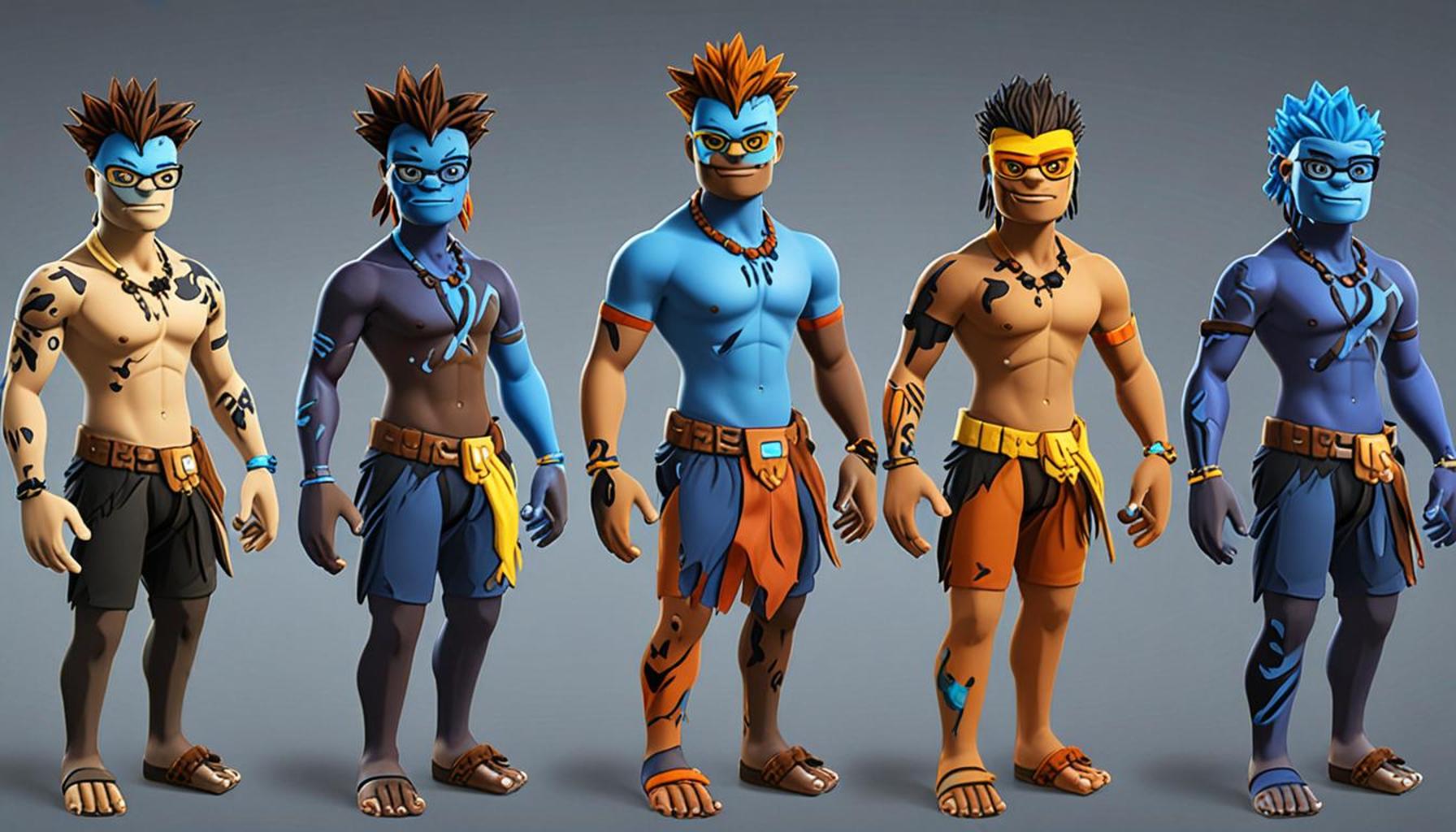
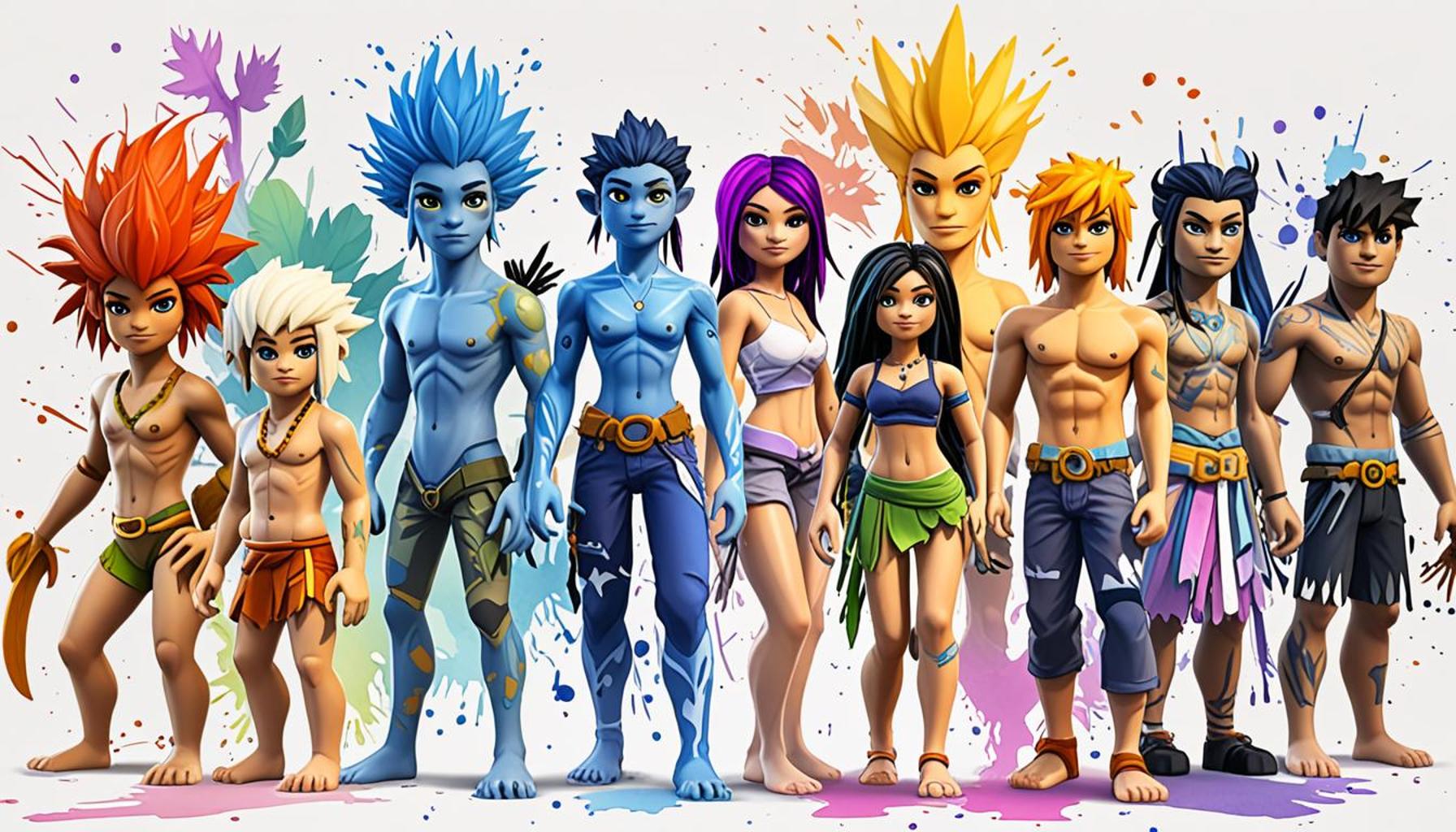
In the expansive world of multiplayer games, user customization stands as a pivotal element, shaping how players engage with their virtual environments. The ability to tailor characters, gear, and gameplay experiences makes each player feel unique and invested in the game. This personalization can significantly enhance the overall player experience, bringing about various implications.
Anúncios
The impact of customization can be observed through several key factors:
- Identity and Expression: Players have the opportunity to express their individuality through unique avatars and styles. For example, a player in a fantasy MMORPG may choose to don flashy armor or opt for unconventional colors, setting themselves apart from the crowd. This freedom boosts self-expression and can even translate into social recognition within games.
- Community Engagement: Customized elements often foster stronger ties within community interactions and collaborations. For instance, clans or guilds in games like “World of Warcraft” or “Final Fantasy XIV” often celebrate members’ customized characters through in-game events or competitions, creating a sense of belonging and camaraderie.
- Enhanced Immersion: Personalized gameplay can increase emotional investment, leading to longer play sessions. When players see their unique designs reflected in the world around them, it enhances their connection to the game’s universe. Games such as “Fortnite” have capitalized on this, offering seasonal skins and custom outfits that resonate deeply with players’ personal tastes.
As players craft their unique identities, they forge deeper connections not only with the game but also with their companions. Such a phenomenon is particularly relevant in the competitive landscape of gaming in the United States, where player differences can shape team dynamics in esports leagues. Understanding the impact of user customization becomes crucial for developers aiming to design immersive experiences that resonate with diverse audiences.
Anúncios
However, while many games offer superficial customization options, titles that provide in-depth mechanics tend to achieve heightened user satisfaction. Games like “Overwatch” and “The Elder Scrolls Online” showcase comprehensive customization systems that allow players to alter everything from weapons to appearance down to precise details. This commitment to personalization enhances the game’s longevity and attracts newer players looking for rich experiences.
Exploring the balance between customization and gameplay integrity can lead to intriguing possibilities. As both seasoned veterans and newcomers navigate these rich gaming worlds, it becomes essential for developers to innovate and deliver options that reflect player desires. The quest for individuality in gaming not only enhances the enjoyment of the experience but also shapes the future of multiplayer interactions in intriguing directions.
DISCOVER MORE: Click here to learn about the latest in avatar customization</p
Customization as a Catalyst for Player Engagement
The ability to personalize gaming experiences is not merely a trend; it has become a cornerstone of the player experience in multiplayer games. As players create custom characters and modify game elements, they engage with the game on a deeper level. This sense of ownership fosters an emotional connection, which can be pivotal in retaining player interest. One major aspect of user customization is its psychological effect on players, leading to increased satisfaction and enjoyment.
Research indicates that players who engage in customization exhibit heightened levels of investment in their game-related activities. According to a study by the International Game Developers Association (IGDA), over 70% of gamers reported that customization options influenced their enjoyment of a game. The freedom to create unique avatars or modify equipment not only enhances individual expression but also transforms gameplay into a more immersive experience. This heightened level of engagement can lead to extended gaming sessions, as players become engrossed in the virtual world they have helped create.
Moreover, customization plays a significant role in facilitating social interactions within multiplayer settings. When players see their unique avatars represented in a shared space, it opens avenues for conversation and collaboration. Features such as emotes, special outfits, and skins can become conversation starters, bridging gaps between players from diverse backgrounds. The dynamic nature of community engagement is evident in titles like “Apex Legends,” where players form squads and share their customized characters, fostering camaraderie and teamwork.
The impact of user customization can also be categorized into several key areas:
- Motivation to Play: Customized features can motivate players to log in regularly. A sense of accomplishment derived from leveling up a character or acquiring exclusive cosmetics keeps players returning. For example, the implementation of battle passes in games like “Call of Duty: Warzone” encourages players to invest time to unlock unique rewards.
- Competitive Edge: In the realm of esports, customization can affect player performance. Certain gear or aesthetic choices may provide psychological advantages, allowing players to feel more confident in their abilities. Customized controls and sensitivity settings can also facilitate better gameplay, enabling players to achieve their highest potential.
- Identity Formation: Players often use customization to identify with particular social groups or subcultures within gaming. Whether it’s a specific color scheme, emblem, or gear set, these elements symbolize affiliations and unite players under a common identity.
As the landscape of multiplayer gaming continues to evolve, understanding the intricate relationship between user customization and player experience becomes crucial for both developers and players. Creating an environment where individual expression is celebrated can have profound effects on gameplay dynamics, social interactions, and overall player satisfaction. In light of these insights, it is clear that user customization is not just desirable; it is essential for delivering enriching and engaging multiplayer experiences.
| Customization Option | Player Experience Enhancement |
|---|---|
| Avatar Personalization | Players feel a greater sense of ownership and attachment to their characters, which can lead to increased emotional investment in the game. |
| Gameplay Settings | The ability to adjust difficulty levels and control schemes allows players to tailor the experience, promoting a feeling of empowerment and satisfaction. |
| Cosmetic Options | Unique skins and outfits foster a sense of individuality, enhancing social interactions and competition among players. |
| Team Customization | Custom team logos and colors can boost team identity, increasing camaraderie and teamwork during multiplayer sessions. |
The incorporation of user customization options in multiplayer games has emerged as a significant factor influencing player experience. Avatar personalization, for example, fosters a deeper emotional connection between players and their characters. This connection not only enhances immersion but also drives engagement as players become more invested in the outcomes of their in-game actions.Furthermore, the ability to modify gameplay settings caters to diverse player preferences, thereby accommodating varying skill levels and play styles. This flexibility can lead to heightened enjoyment and a reduction in player frustration. Additionally, the introduction of cosmetic options allows individuals to express their personal style, satisfying their desire for uniqueness in a communal gaming environment.Moreover, team customization promotes collaboration and strengthens bonds within player groups, fostering a sense of belonging that can enhance overall enjoyment. As these various customization features continue to evolve, their impact on multiplayer gaming experiences deepens, leading researchers and gamers alike to explore further how these elements shape virtual interactions and community building.
DISCOVER MORE: Click here to dive deeper into the evolution of multiplayer experiences in
Customization Enhancing Community Dynamics
The intricate interplay between user customization and community dynamics reveals another dimension of player experience in multiplayer games. As gamers navigate expansive virtual worlds, the ability to tailor their appearances and experiences not only enriches their engagement but also solidifies their roles within gaming communities. This dynamic interaction often leads to the formation of heartfelt connections and enduring friendships forged through shared interests and experiences.
Community engagement deeply benefits from customization options, as players often showcase their unique styles within shared environments. For instance, multiplayer experiences like “Fortnite” or “Minecraft” offer avenues for players to demonstrate their individuality, while simultaneously sparking collaborative creativity. In “Minecraft,” users can create entire servers dedicated to personal or group projects, allowing customized skins or builds to serve as a canvas for self-expression while fostering cooperative gameplay.
The celebration of individual expression also extends to the competitive arena, where players utilize customization to enhance their standing within a community. Titles such as “League of Legends” allow gamers not only to adjust their avatars but also to represent various factions or teams through unique emblems and skins, creating a sense of pride in one’s in-game representation. This display of individuality can bolster team loyalty, leading to enriched team dynamics and collaboration.
Impact on Player Retention
Beyond community building, effective customization contributes significantly to player retention rates. A study conducted by Newzoo reported that nearly 80% of gamers appreciate customization options, and a substantial percentage stated that these features play a pivotal role in their decision to continue playing. Games that frequently update their customization offerings, such as seasonal skin releases or themed events, manage to keep players engaged through an evolving experience that feels fresh and exciting.
Moreover, players often engage in a feedback loop involving customization. As gamers invest time to modify their characters or environments, they generate content that can attract new players. This user-generated content serves as a testament to the appeal of customization, as it not only showcases creativity but also invites others to join a vibrant community of players. Events like “Subway Surfer” competitions, where players flaunt unique character skins, illustrate how customization can draw in spectators and potential players alike, elevating the game’s social currency.
The Role of Monetization
The conversation around customization would be incomplete without addressing its monetization aspect. In the realm of multiplayer games, developers increasingly rely on microtransactions to offer exclusive customization options. While this approach is often met with mixed feelings from players, many recognize that well-implemented monetization strategies enhance the gaming experience. Titles such as “Apex Legends” exemplify successful monetization; players can purchase unique skins, emblems, or even weapon customization options that not only enhance gameplay aesthetics but also signal status within the gaming community.
While concerns around monetization and pay-to-win mechanics persist, it is essential to strike a balance. Successful multiplayer games find ways to provide free customization options alongside premium content, ensuring that all players can tailor their experience without feeling financially pressured.
In summary, the multifaceted impact of user customization extends well beyond individual expression; it champions community dynamics, player retention, and creative approaches to monetization in multiplayer games. As developers look towards the future, a nuanced understanding of how these elements interact will be paramount in crafting engaging and rewarding experiences for players across the globe.
DIVE DEEPER: Click here to uncover more
Conclusion: The Enduring Influence of User Customization
In the ever-evolving landscape of multiplayer gaming, the impact of user customization on player experience remains profound and multifaceted. From personalizing avatars to crafting unique gameplay environments, customization fosters a sense of ownership and belonging among players. By allowing individuals to express their identities, games become more than just a series of challenges; they transform into communal spaces where players can connect, collaborate, and create lasting memories.
The intertwining of customization and community dynamics promotes engagement and loyalty, ultimately leading to higher player retention rates. As evidenced by industry reports, gamers are not only drawn to the allure of personalized options, but they also return to explore the ever-expanding possibilities that these features offer. Backgrounds and loyalties formed through shared aesthetics and team-based representations, as seen in games like “League of Legends,” illustrate the importance of player investment in customization.
Moreover, the monetization of these customizable experiences presents both opportunities and challenges. A balanced approach that incorporates fair microtransactions can enrich the gameplay, while addressing player concerns ensures a positive atmosphere within the gaming community. The success stories of titles like “Apex Legends” highlight the potential for developers to creatively leverage customization as a means of enhancing social interactions and competitiveness.
As the gaming industry continues to adapt to new technologies and player demands, understanding the impact of user customization will be key to shaping immersive and engaging experiences. The future of multiplayer games will inevitably rely on the ability to harness this crucial element effectively, paving the way for richer, more inclusive gaming ecosystems that reflect the diverse identities of their players.